How to File a Roof Insurance Claim in Ohio
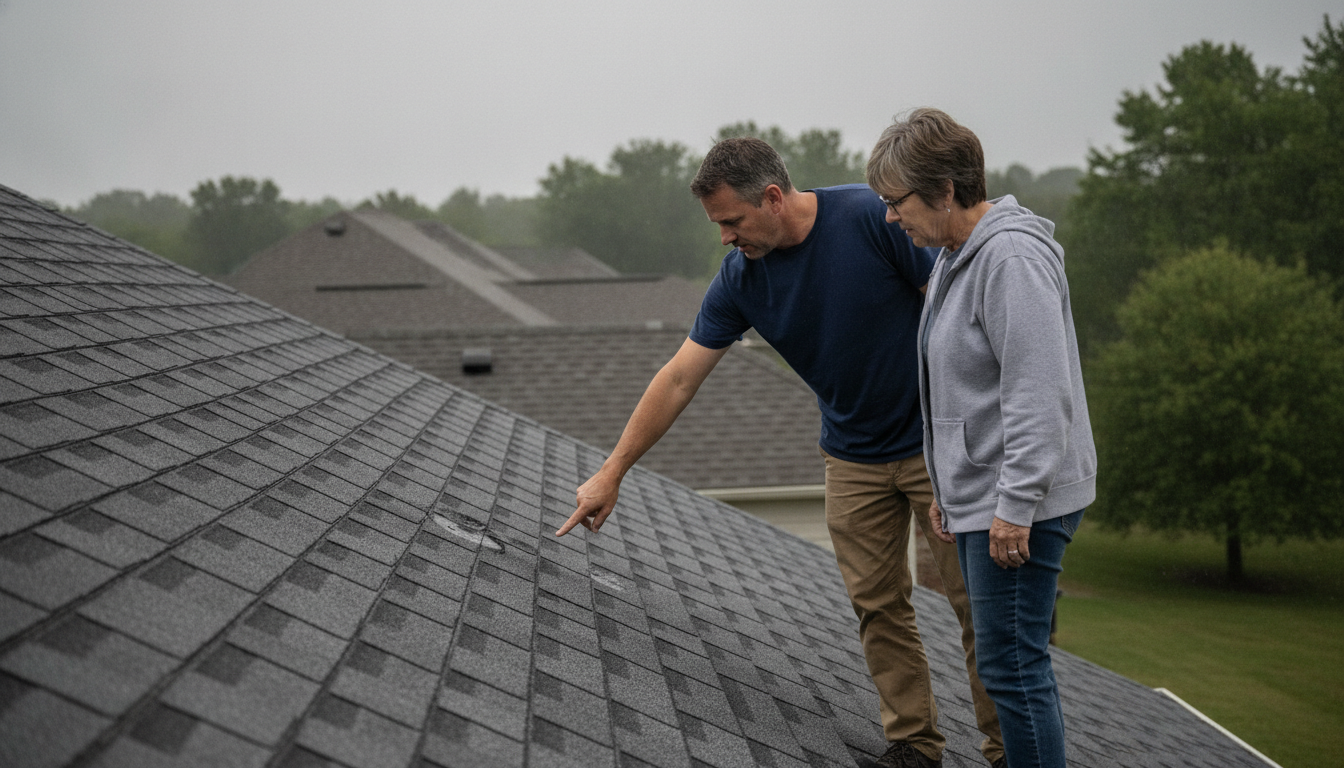
Filing a roof insurance claim in Ohio starts with getting a professional damage inspection before you call your insurance company, not after. An independent, documented assessment gives you your own evidence of what the storm actually did, so you're not relying entirely on the insurance adjuster's evaluation.
The Tri-State area sees its share of severe weather, spring and summer thunderstorms strong enough to strip shingles, hail events, and high wind gusts off the river valley. If a recent storm damaged your roof in Ironton, South Point, Huntington, or Ashland, here's the process, step by step.
What Does Homeowner's Insurance Actually Cover?
Standard homeowner's policies in Ohio, Kentucky, and West Virginia typically cover roof damage from wind, hail, falling trees or debris, and fire as a “covered peril.” This is the category storm damage falls into, and it's usually covered without much dispute once properly documented.
What's generally not covered: gradual wear from age, damage from lack of maintenance, and pre-existing damage that predates the current policy. This distinction is exactly where claims get contested, an adjuster who can attribute damage to “wear” instead of “storm” shifts the cost from the insurer to you. A documented, dated inspection showing the damage pattern matches a specific storm event is the best protection against that.
Step 1: Get an Independent Inspection First
Before filing anything, get a free professional roof inspection. This is the step that protects you most, and the one most homeowners skip in favor of just calling their insurance company directly.
A thorough inspection documents the damage pattern (hail strikes, wind-lifted shingles, debris impact), whether it's isolated or widespread, and the condition of the decking and underlayment beneath the visible shingles, not just what's obvious from the ground.
Step 2: Review Your Policy
Check your deductible amount (Ohio, Kentucky, and West Virginia policies sometimes use a percentage-based wind/hail deductible rather than a flat dollar figure, often higher than you'd expect), and confirm whether your policy pays Replacement Cost Value (pays to replace at today's prices) or Actual Cash Value (factors in depreciation for the roof's age). This changes your expected payout significantly, especially on an older roof.
Step 3: File the Claim
Call your insurer with the approximate storm date, a damage description, and your independent inspection report if you have one. Most insurers assign a claim number right away and schedule an adjuster visit within days to a couple of weeks, depending on claim volume after a regional storm.
Step 4: Meet the Adjuster On-Site
Be present, or have your roofing contractor present, when the adjuster inspects the roof. Roof Masters regularly meets adjusters on-site for Tri-State storm damage claims, walking the roof alongside them and pointing directly to documented damage. This matters most during widespread regional storm events, when adjusters are moving fast through a high volume of claims.
Step 5: Review the Settlement Carefully
Compare the insurance company's settlement offer against your contractor's independent estimate. Watch for a “repair” scope when the damage pattern actually supports full replacement, material downgrades from what's actually on your roof, or missing decking/underlayment/flashing line items. A gap between the two is normal and expected, not a sign something's wrong, and it's the basis for requesting a supplement if needed.
Step 6: Request a Supplement If Needed
If the settlement doesn't match the documented scope of damage, you or your contractor can submit additional documentation showing why more coverage is warranted. This is a routine part of the process, resolved in most cases with photos and a follow-up conversation rather than a dispute.
Step 7: Schedule the Work
Once settled, get a written estimate specifying exactly what's covered by insurance versus any out-of-pocket upgrades, along with a clear timeline. See our roof replacement cost guide for typical pricing if you want a general sense of the numbers before comparing quotes.
Why Roof Masters for Insurance Claim Work
Roof Masters is IIERC certified for fire and water restoration, a credential very few roofing contractors in the Ohio, Kentucky, and West Virginia Tri-State area hold. Owner Jason Johnson personally handles estimates, and as a veteran-owned business, we treat insurance claim assistance as a standard part of storm damage service, not an upsell.
Homeowners across Ironton, South Point, Huntington, Ashland, Portsmouth, and the surrounding Tri-State communities can schedule a free storm damage inspection any time, documented, honest, and ready to hand to your adjuster.
Insurance Claim Questions
Need Help With an Insurance Claim?
We meet adjusters on-site and handle documentation start to finish. Serving Ironton, South Point, Huntington, Ashland & the Tri-State area.